If you follow Pacific Heights, you know a single great listing can move the entire conversation. Inventory is thin, buyer expectations are high, and the details that shape value can be very specific to a block, a view line, or even a floor plan. You want clear guidance that cuts through noise and helps you act with confidence. In this insider’s overview, you’ll learn how the micro‑market works, what truly drives pricing, how to evaluate property types, and where smart preparation pays off. Let’s dive in.
Pacific Heights at a glance
Pacific Heights sits at the top of San Francisco’s luxury tier, with a concentration of high‑end single‑family homes, grand period rowhouses, and upscale condominiums. Available homes are few relative to demand, especially for well‑located, view‑bearing, turnkey properties. As a result, market tone can shift based on only a handful of listings at any given time.
Seasonality still matters. Listing activity tends to rise from late winter into spring, then slow in late fall and winter. That said, high‑end transactions happen year‑round, driven by buyer availability rather than a rigid calendar. Off‑market and quiet offerings are also common, which means that what you see publicly may not tell the whole story.
Broad macro forces shape urgency and pricing. Interest rates, overall San Francisco sentiment, tech compensation cycles, and fluctuations in international activity can expand or shrink the buyer pool. If you are buying or selling now, track months of inventory, days on market, and list‑to‑sale price ratios to understand the current posture.
Pricing drivers to watch
In Pacific Heights, a few variables carry outsized weight. Understanding them will sharpen your strategy and your valuation.
Views and orientation
Water, bridge, and marina views create discrete pricing tiers. Premiums vary by view clarity, exclusivity, and whether the view is unobstructed or panoramic. Orientation that captures daylight without harsh exposure can also boost appeal.
Address and ridgelines
Location along key ridgelines and specific street addresses matter. Proximity to parks, private schools, and the Presidio often influences buyer motivation and willingness to pay.
Lot size and outdoor space
Usable gardens, terraces, and roof decks are prized. Larger or corner parcels are rare and can push value more than raw interior square footage.
Parking and elevator access
Garage parking is scarce in central San Francisco and carries real value. In multi‑story homes and full‑floor flats, an elevator or elevator‑ready shaft can meaningfully expand the buyer pool.
Condition and systems
Turnkey condition with consistent, high‑quality finishes commands a premium. Modern mechanical, electrical, and plumbing, as well as seismic work, reduce buyer friction and appraisal risk.
Historic considerations
Historic designation or conservation constraints can limit exterior or interior changes. The added review can affect both timeline and cost, which factors into pricing and negotiation.
Architecture and property types
Pacific Heights offers a refined mix of eras and formats. Each comes with its own valuation nuances and buyer segment.
Victorians and Edwardians
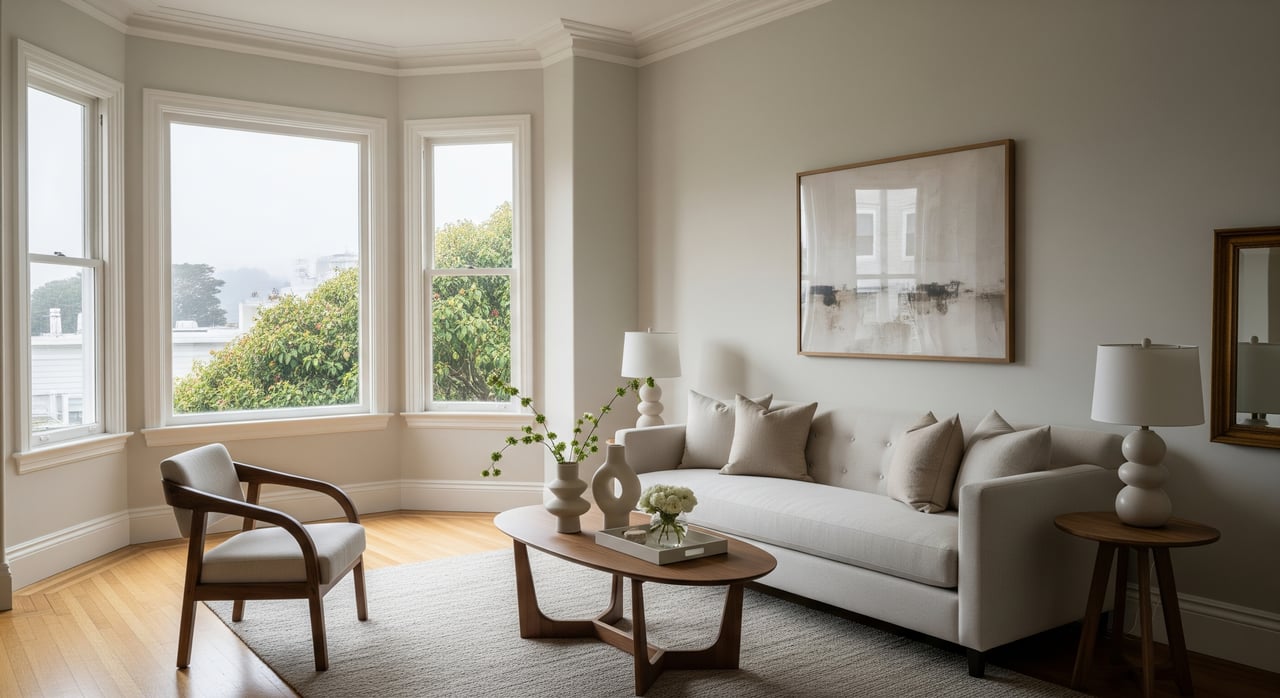
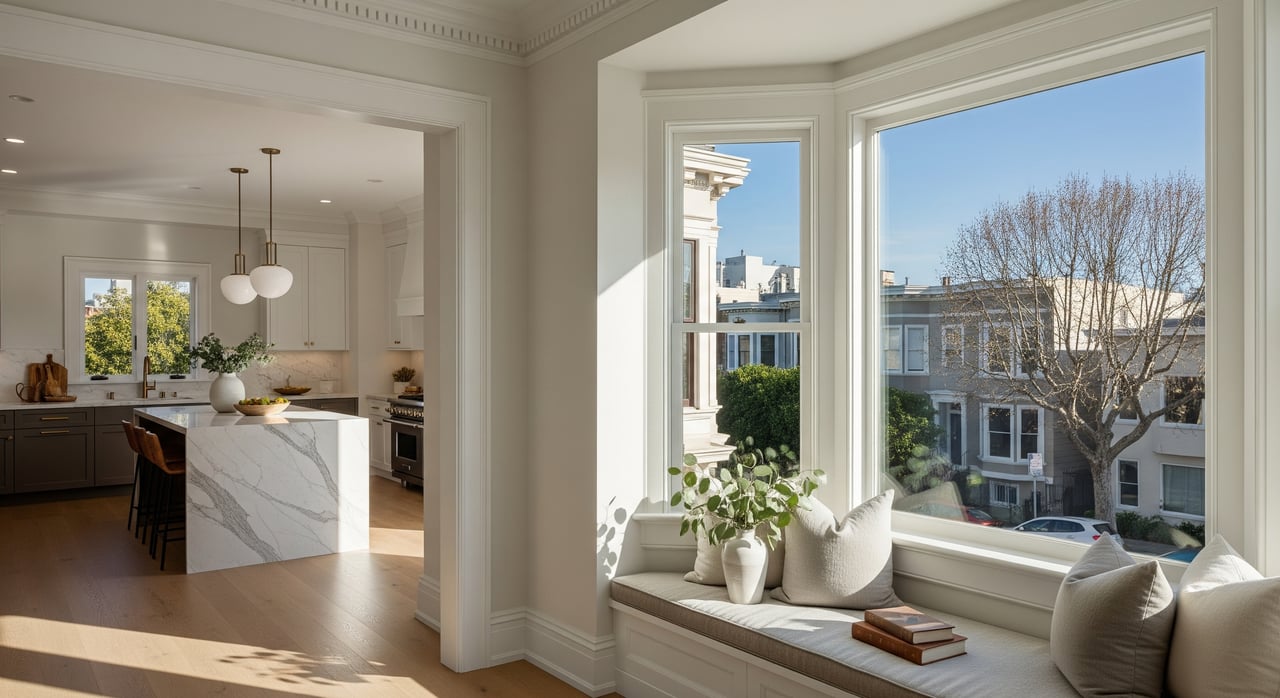
Late‑19th‑century rowhouses and flats feature high ceilings, bay windows, and intricate millwork. Many have compartmentalized floor plans that buyers either preserve for character or rework for modern flow. Systems and windows often need modernization.
Mansions and Classical Revival
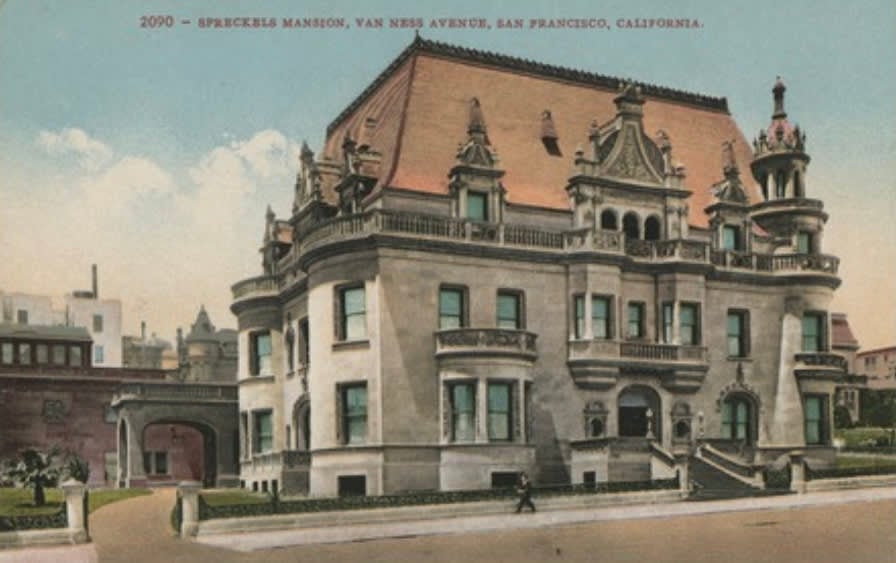
Early‑20th‑century mansions can sit on larger lots with formal rooms, original millwork, and grand facades. These homes often carry both architectural prestige and higher stewardship expectations.
Pre‑war co‑ops and luxury apartments
1920s and 1930s buildings can offer full‑service elements and generous floor plates. Building rules, service levels, and staff vary and can influence monthly costs and buyer fit.
Mid‑century and contemporary infill
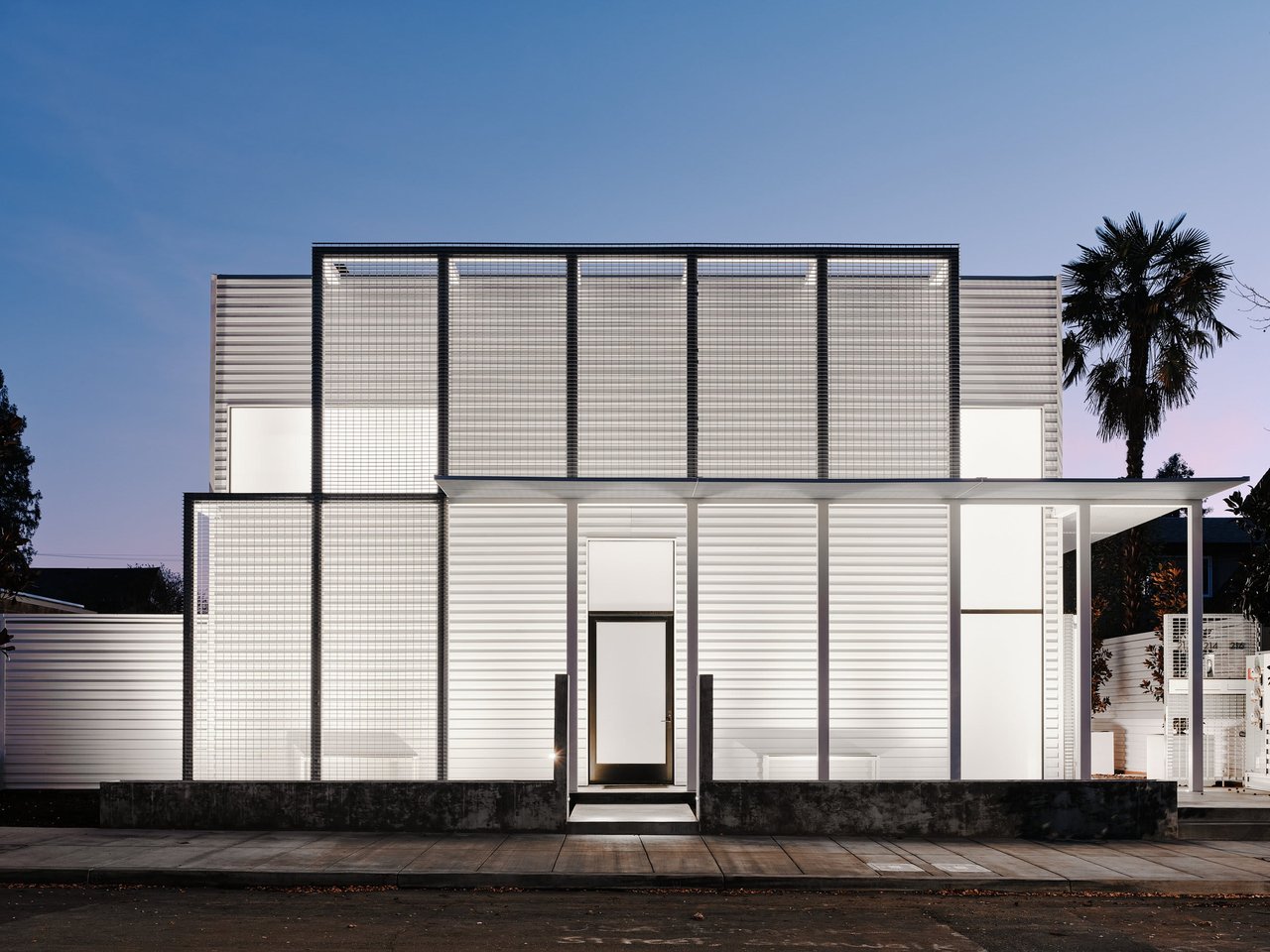
Less common, but present. You will see modernized townhouses, architect‑driven remodels, and boutique conversions with contemporary finishes and flexible layouts.
Condos and newer developments
Condominium stock is smaller than in other neighborhoods but includes renovated units and luxury podium buildings. Full‑floor residences and penthouses draw strong interest when paired with views and outdoor space.
Across types, a few features reliably elevate value: clear bay or bridge views, secure parking, private outdoor areas, elevators, and thoughtful, design‑forward kitchens and primary baths. Flexible spaces for remote work remain in demand.
Inventory, timing, and micro‑structure
Available supply at the top end is chronically tight due to limited lot turnover and a high share of owner‑occupied buildings. This scarcity magnifies price sensitivity for stand‑out features like unobstructed views and turnkey condition.
Off‑market activity is a constant. Many high‑net‑worth sellers prefer targeted marketing before or instead of broad exposure. If you are searching, widen your aperture beyond public listings and be prepared to move decisively when the right property surfaces.
On the financing side, jumbo loans have different underwriting timelines, which can affect offer competitiveness. All‑cash or high‑equity buyers often prevail in multiple‑offer scenarios because they can shorten contingencies and close faster.
Valuation in a small‑sample market
With few comparable sales at any moment, headline averages can mislead. Anchor your valuation in matched comps and normalize the details that matter.
- Normalize by useful living area, bedroom count, and the presence of parking and outdoor space.
- Treat price per square foot with caution across different architectural types. A remodeled full‑floor flat and a compartmentalized Victorian will not convert 1:1.
- Quantify view premiums by pairing similar comps with and without the view line. Avoid generic percentage rules.
- For rare parcels and corner lots, give weight to land and potential expansion. Zoning and development potential can be a deciding factor.
A practical valuation checklist:
- Gather 12 to 24 months of closed sales for the immediate sub‑area, broken out by property type and price quartiles.
- Track months of inventory, median DOM, list‑to‑sale ratios, and the share of off‑market closings.
- Adjust for renovation level and system upgrades, not just surface finishes.
- Verify any unique constraints such as historic status or unpermitted work.
Negotiation patterns and strategy
When a listing is truly scarce, well positioned, and turnkey, multiple offers and over‑list outcomes still happen. In softer windows, sellers more often accept contingencies or price concessions. The best signals of the current posture are days on market and list‑to‑sale ratios for your specific segment.
If you are buying, align your terms with seller priorities. If you are selling, expect deeper diligence from buyers on systems, permits, and seismic work, and consider pre‑emptively addressing common objections.
Buyer priorities today
The core profiles include local high‑net‑worth professionals, legacy San Francisco buyers, and occasional international or Bay Area transplants. Across these groups, priorities tend to converge on privacy, high‑quality finishes, efficient floor plans, views, and secure parking. Some buyers seek intact historic character. Others want contemporary, move‑in‑ready interiors with smart‑home and energy upgrades. Design consistency and professional presentation help both groups say yes faster.
Seller prep that pays off
In the luxury micro‑market, presentation and readiness have real impact. If you have limited time or budget, focus on the moves that deliver outsized returns.
- Invest in a design‑forward kitchen or primary bath update rather than scattered cosmetic fixes.
- Stage to highlight scale, room function, and indoor‑outdoor flow. Emphasize any view corridors.
- Complete a pre‑listing inspection for major systems and consider seismic or energy assessments if issues are likely.
- Prepare documentation. Gather permits, invoices, appliance warranties, HOA or co‑op rules, and property tax history. Buyers value clarity.
- Commission top‑tier photography and video to communicate layout and finish quality. In this segment, visuals shape perception and price confidence.
Regulatory and risk considerations
Historic or conservation status can trigger extra review for exterior work and sometimes interior elements. Plan for longer permit paths when architectural significance is involved. Significant remodels typically require plan submittals and inspections. Unpermitted work can shrink the buyer pool and complicate closings.
San Francisco transfer taxes increase at higher sale prices, and there are city components that affect net proceeds. Confirm current schedules with the appropriate city offices before you list or write an offer. If the property includes rental units, review rent stabilization and tenant protections that may affect occupancy or income.
What to track before you act
Before you buy or list, assemble a concise, decision‑ready package:
- Recent matched comps for your block and property type, segmented by view, parking, and condition.
- Rolling 12 to 24 months of data for months of inventory, median DOM, and list‑to‑sale ratios in your price band.
- A short summary of off‑market activity in the past year for your street, building, or ridgeline.
- A renovation and permit history with any seismic, mechanical, or electrical upgrades documented.
- A quick outline of closing costs, including escrow, title, and transfer taxes relevant to your likely price.
Work with a micro‑market advisor
Pacific Heights rewards precision. The right partner will bring design‑minded presentation, defensible valuation, and quiet access to off‑market opportunities. If you want to position your home for a premium result or benchmark value before a purchase, connect with a team that blends luxury marketing with inspection‑grade diligence. Request a Valuation & Inspection from Jack Ryder to get a clear, evidence‑based plan for your next move.
FAQs
How does low inventory affect Pacific Heights pricing?
- With few listings, a single turnkey, view‑bearing property can reset expectations for nearby sales. Track matched comps and months of inventory to gauge impact.
What premium do bridge or bay views add in Pacific Heights?
- Premiums vary by clarity and exclusivity. Compare recent, similar‑condition comps with and without the view line to quantify the difference accurately.
How common are off‑market sales in Pacific Heights?
- Quiet listings are frequent in the luxury segment. Ask for a summary of off‑market activity over the past 12 to 24 months for your block or building type.
How should I use price per square foot here?
- Use it cautiously. Normalize by useful living area, bedroom count, parking, outdoor space, and condition, especially across different architectural types.
How does historic status change renovation plans?
- Historic or conservation status often adds review steps and may limit certain changes. Build in extra time and verify past permits and comparable approvals.
What is a realistic listing‑to‑closing timeline now?
- It depends on your price tier and segment. Use current median days on market and typical escrow lengths for similar properties to set expectations.
What closing costs should Pacific Heights sellers plan for?
- Plan for escrow and title fees, plus San Francisco transfer taxes that scale with sale price. Verify the current city schedule before you list.